
Learn how to roast garlic in the oven with this simple recipe. Get perfectly soft, caramelized garlic every time with easy tips, storage ideas, and ways to use it.
Roasted garlic is one of the easiest ways to add rich, comforting flavour to everyday meals. When garlic is roasted, the sharp bite mellows and the cloves become naturally sweet, golden, and incredibly creamy. With just a few simple ingredients and a little time in the oven, you can transform ordinary garlic into a delicious addition for sauces, salad dressings, dips, pasta, grain bowls, and more. This easy roasted garlic recipe is a simple way to elevate your favourite meals and keep a flavourful ingredient ready to use throughout the week.
Why You Should Roast Garlic at Home
- Easy to make: With just a few simple ingredients and minimal prep, roasted garlic is a simple way to add incredible flavour to your meals.
- Budget-friendly: A couple of heads of garlic and a drizzle of olive oil create a versatile ingredient that can be used in many different recipes.
- Rich, mellow flavour: Roasting transforms garlic into soft, creamy cloves with a sweet, caramelized flavour that is much milder than raw garlic.
- Perfect for meal prep: Roast extra heads of garlic while your oven is already on and keep them ready to add flavour to meals throughout the week.
- Freezer-friendly: Roasted garlic freezes well, making it easy to preserve extras and always have some available when you need it.
Ingredients
- Garlic bulbs: Choose firm garlic heads with tight, papery skins. Avoid garlic that feels soft, has green sprouts, or has visible mold. Fresh garlic will produce the sweetest, creamiest roasted cloves.
- Extra virgin olive oil: A small amount of olive oil helps the garlic roast evenly and creates soft, spreadable cloves.
Equipment
- Sharp knife
- Aluminum foil
- Baking sheet or small baking dish
How to Roast Garlic in the Oven
Step 1: Cut the Tops
Preheat your oven to 400°F (205°C). Remove any loose outer layers of papery skin from the garlic, but leave the heads intact. Using a sharp knife, slice about ¼ inch from the top of each garlic head, exposing the tops of the cloves.
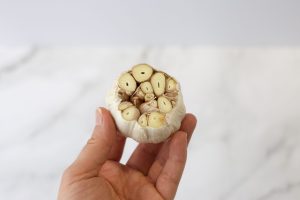
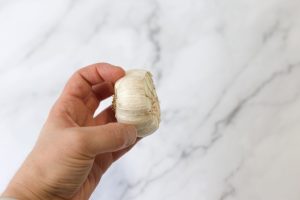
Step 2: Place on Foil and Drizzle with Olive Oil
Place each garlic head, cut-side up, in the centre of a square of aluminum foil. Drizzle ½ teaspoon of extra virgin olive oil over the exposed cloves of each head, allowing the oil to seep down between the cloves.
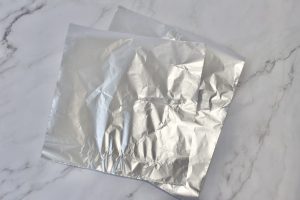

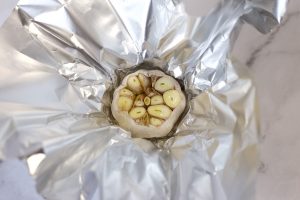
Step 3: Wrap in Foil
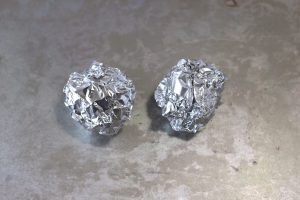
Bring the foil up around each garlic head and wrap it tightly to form a sealed packet. I like to make sure the foil is tucked securely around the garlic so the olive oil stays inside while it roasts.
Step 4: Bake
Place the wrapped garlic on a baking sheet or in a small baking dish. Roast for 35–45 minutes, or until the cloves are soft and golden brown.
The exact cooking time will depend on the size of your garlic heads. The cloves should be soft enough to pierce easily with a knife and have a lightly caramelized colour.
Step 5: Cool and Squeeze the Cloves
Carefully open the foil and let the garlic cool for 5–10 minutes, or until it is cool enough to handle. Gently squeeze the bottom of each garlic head to push the soft roasted cloves out of their skins.

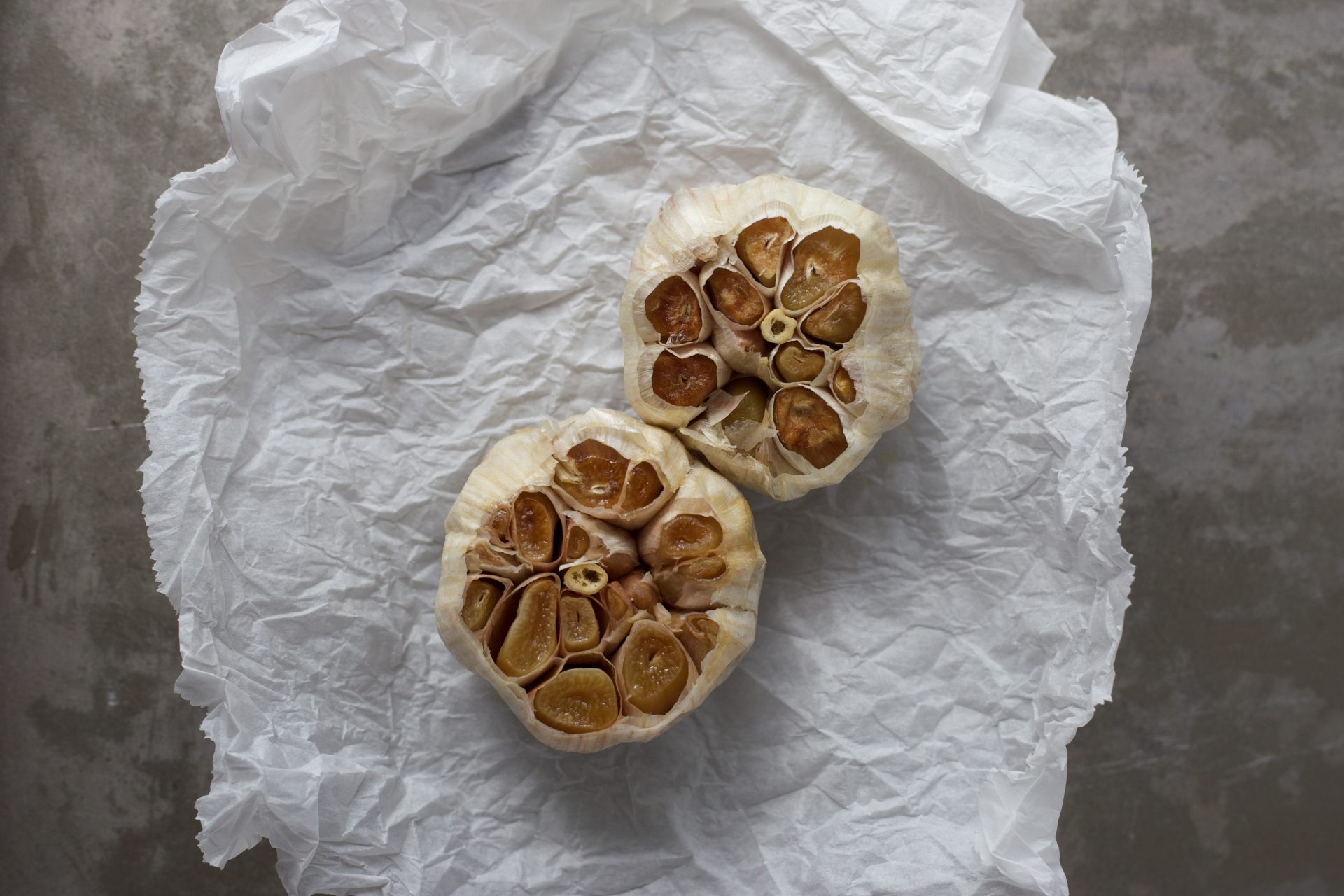
The roasted garlic should be soft, creamy, and easy to spread. Use it right away or save it for your favourite recipes.
How Do You Know Garlic Is Done?
Roasted garlic is ready when the cloves are soft, golden brown, and lightly caramelized. They should feel very tender when pierced with a knife and easily squeeze out of their skins.
The colour is a helpful indicator, but don't worry if the cloves aren't deeply brown. You're looking for soft, creamy cloves with some golden caramelization around the edges. If the cloves are still firm or difficult to squeeze out, wrap the garlic back up and continue roasting for another 5–10 minutes.
Tips for Perfect Roasted Garlic
- Don't trim too much: You only need to remove about ¼ inch from the top of the garlic head to expose the cloves. Cutting off too much wastes perfectly good garlic.
- Use fresh garlic: Choose firm garlic heads with tight, papery skins. Fresh garlic will give you the best flavour and texture.
- Don't skip the olive oil: A little oil helps the exposed cloves roast evenly and keeps them soft and creamy.
- Roast extra heads: If you're already using the oven, roast a few extra heads at the same time. It's an easy way to have roasted garlic ready for future meals.
- Let it cool before squeezing: The garlic and steam will be very hot when it comes out of the oven. Give it 5–10 minutes to cool before handling.
Common Mistakes When Roasting Garlic
Cutting off too much
You only need to expose the tops of the cloves. Cutting too far down removes cloves and makes the garlic harder to roast as a whole head.
Not using enough oil
The oil helps keep the exposed cloves moist as they roast. You don't need much—a ½ teaspoon per head is enough for this recipe.
Not roasting long enough
If the cloves are still firm, they aren't ready. Continue roasting until they're soft enough to pierce easily with a knife and squeeze from their skins.
Over-roasting the garlic
Roasted garlic should be soft and golden, not dark brown, dry, or burnt. Start checking around the 35-minute mark since smaller garlic heads may cook faster.
Using old garlic
Garlic that is soft, shriveled, moldy, or heavily sprouted won't give you the best results. Start with firm, fresh garlic heads for the sweetest flavour.
Not wrapping the garlic tightly
A secure foil packet helps trap moisture while the garlic roasts. Wrap each head tightly so the olive oil stays with the garlic and the cloves don't dry out.
How to Use Roasted Garlic
Once you have a few heads of roasted garlic ready to go, there are so many ways to use it. The soft, mellow flavour makes it easy to add to both simple everyday meals and your favourite recipes.
Try roasted garlic in:
- Salad dressings: Blend a roasted clove into your favourite dressing for a rich, mellow garlic flavour.
- Hummus and dips: Mash or blend roasted garlic into hummus, whipped feta, or your favourite dip.
- Mashed potatoes: Mix roasted garlic into mashed potatoes for an extra layer of flavour.
- Pasta and sauces: Stir a few cloves into pasta, cream sauces, tomato sauces, or pesto.
- Soup: Blend roasted garlic into creamy soups or add it to broth-based soups.
- Compound butter: Mash roasted garlic into softened butter and use it on vegetables, meat, or bread.
- Pizza: Add small pieces of roasted garlic to pizza before baking.
- Roasted vegetables: Toss roasted garlic with cooked vegetables for an easy flavour boost.
- Steak and chicken: Add a roasted garlic compound butter or spoonful of mashed garlic alongside your favourite protein.
- Sourdough or crackers: Simply spread the creamy cloves directly onto toasted sourdough, crackers, or your favourite bread.
- Aioli: Blend roasted garlic into homemade aioli for a milder, sweeter garlic flavour.
- Mashed cauliflower: Stir roasted garlic into mashed cauliflower for a delicious side dish.
How to Store Roasted Garlic
Refrigerator: Store cooled roasted garlic cloves in an airtight container in the refrigerator and use within 4 days.
Freezer: For longer storage, freeze roasted garlic cloves in a freezer-safe container for up to 3 months. You can freeze individual cloves so you can take out only what you need. Thaw in the refrigerator or add frozen cloves directly to sauces, soups, and other dishes while cooking.
Can You Store Roasted Garlic in Oil?
Yes, you can store roasted garlic in oil, but keep food safety in mind. Store it in the refrigerator and use it within a few days. Do not store homemade garlic-in-oil at room temperature, as the combination of garlic and oil can create conditions that allow harmful bacteria to grow.
Frequently Asked Questions
At 400°F (205°C), whole garlic heads typically take 35–45 minutes to roast. Larger heads may need a little longer. The garlic is ready when the cloves are soft, creamy, and golden brown.
No. Leave the garlic cloves inside their papery skins while roasting. The skins help protect the cloves and keep them soft as they cook. Simply remove the loose outer layers and slice off the top of the garlic head to expose the cloves.
400°F (205°C) works well for roasting garlic because it gives the cloves enough heat to become soft, sweet, and lightly caramelized without taking too long.
Yes. Place the prepared garlic heads cut-side up in a small baking dish or ramekin and cover with a lid or another oven-safe dish to help retain moisture. You can also roast garlic uncovered in a small baking dish, although the cloves may dry out more quickly.
Yes. Garlic can become dry, dark, and bitter if it is roasted for too long. Start checking the garlic around 35 minutes and remove it once the cloves are soft, creamy, and lightly golden.
Yes! Air frying is another quick way to roast garlic. The cooking time and temperature will vary depending on your air fryer, so check the garlic regularly until the cloves are soft and golden.
Roasted Garlic
Equipment
Ingredients
- 2 heads garlic
- 1 teaspoon extra virgin olive oil
Instructions
- Preheat the oven to 400°F (205°C).
- Using a sharp knife, slice about ¼ inch off the top of each garlic head to expose the cloves.
- Place each garlic head, cut-side up, in the centre of a square of aluminum foil.
- Drizzle ½ teaspoon of olive oil over the exposed cloves of each head, allowing the oil to seep between them.
- Wrap the foil tightly around each garlic head to create sealed packets.
- Place the foil packets on a baking sheet.
- Roast for 35–45 minutes, or until the cloves are soft, golden brown, and easily pierced with a knife.
- Carefully unwrap the foil and allow the garlic to cool for 5–10 minutes. Once cool enough to handle, gently squeeze the bottom of each garlic head to release the roasted cloves.
Nutrition information is estimated and does not adhere to U.S. FDA NLEA guidelines.