
Never guess if your meat is done. Use this easy guide to safe cooking temperatures for chicken, pork, beef, turkey, fish, and more.
Cooking meat to the proper internal temperature is one of the most important steps you can take to protect yourself and your family from foodborne illness. While color and texture can sometimes help indicate doneness, the only reliable way to know if food is safely cooked is by using a food thermometer.
In this guide, we’ll break down the safe cooking temperatures for different types of meat, poultry, seafood, and leftovers — plus the thermometers that can help make food safety easy and stress-free in your kitchen.
Why Safe Cooking Temperatures Matter
Raw meat, poultry, seafood, and eggs can contain harmful bacteria such as Salmonella and E. coli. Cooking foods to the proper internal temperature helps destroy harmful bacteria and reduces the risk of foodborne illness.
And honestly? Food safety matters.
A good thermometer takes the guesswork out of cooking and storage temperatures. It’s one of the simplest kitchen tools you can own, but also one of the most important.
Safe Internal Temperatures Chart
Food | Minimum Internal Temperature |
|---|---|
Beef, Pork, Veal & Lamb Steaks, Chops & Roasts | 145°F (62.8°C) + rest for 3 minutes |
Ground Meats | 160°F (71.1°C) |
Ground Poultry | 165°F (73.9°C) |
Ham (Fresh or Smoked, Uncooked) | 145°F (62.8°C) + rest for at least 3 minutes |
Fully Cooked Ham (Reheated) | 140°F (60°C) if USDA-inspected; otherwise 165°F (73.9°C) |
All Poultry | 165°F (73.9°C) |
Eggs | 160°F (71.1°C) |
Fish & Shellfish | 145°F (62.8°C) |
Leftovers | 165°F (73.9°C) |
Casseroles | 165°F (73.9°C) |
Table reproduced from USDA Food Safety and Inspection Service.
Understanding Rest Time
Some meats require a rest period after cooking. This means the meat should stay at its final temperature for a few minutes before slicing.
Beef, pork, veal, lamb, and fresh ham should reach: 145°F (62.8°C) and then rest for at least 3 minutes.
This resting time helps continue destroying bacteria while also keeping meat juicy and flavorful.
The Kitchen Tool I Think Everyone Should Own
If you cook meat regularly, a digital food thermometer is absolutely worth having.
One of the most inexpensive but incredibly useful kitchen tools to keep on hand is a simple digital thermometer from Amazon. They’re affordable, easy to use, and can instantly tell you whether your food has reached a safe temperature.
No more guessing if chicken is done or overcooking steak “just to be safe.”
Best Thermometers
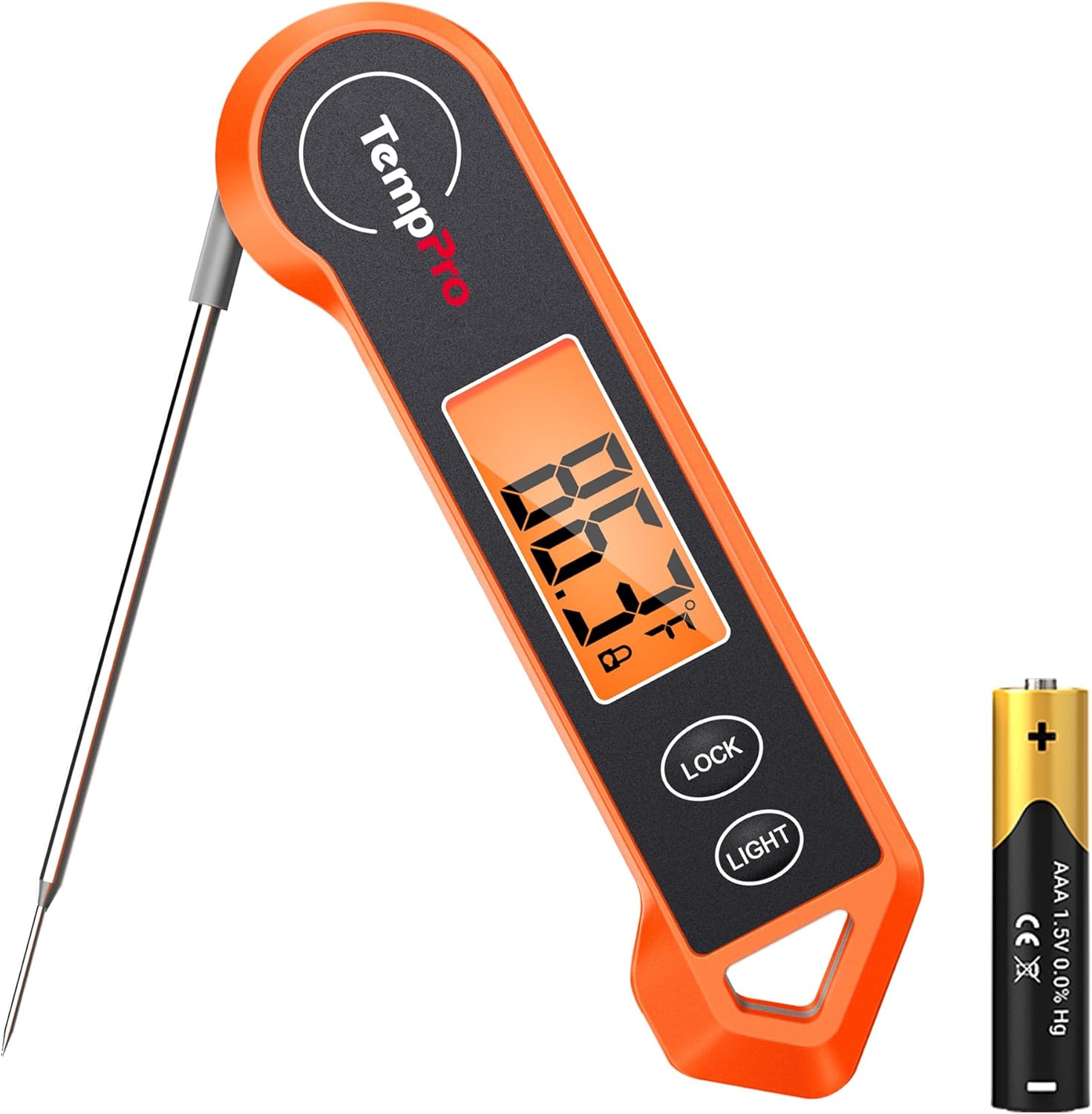
Instant-Read Digital Thermometer
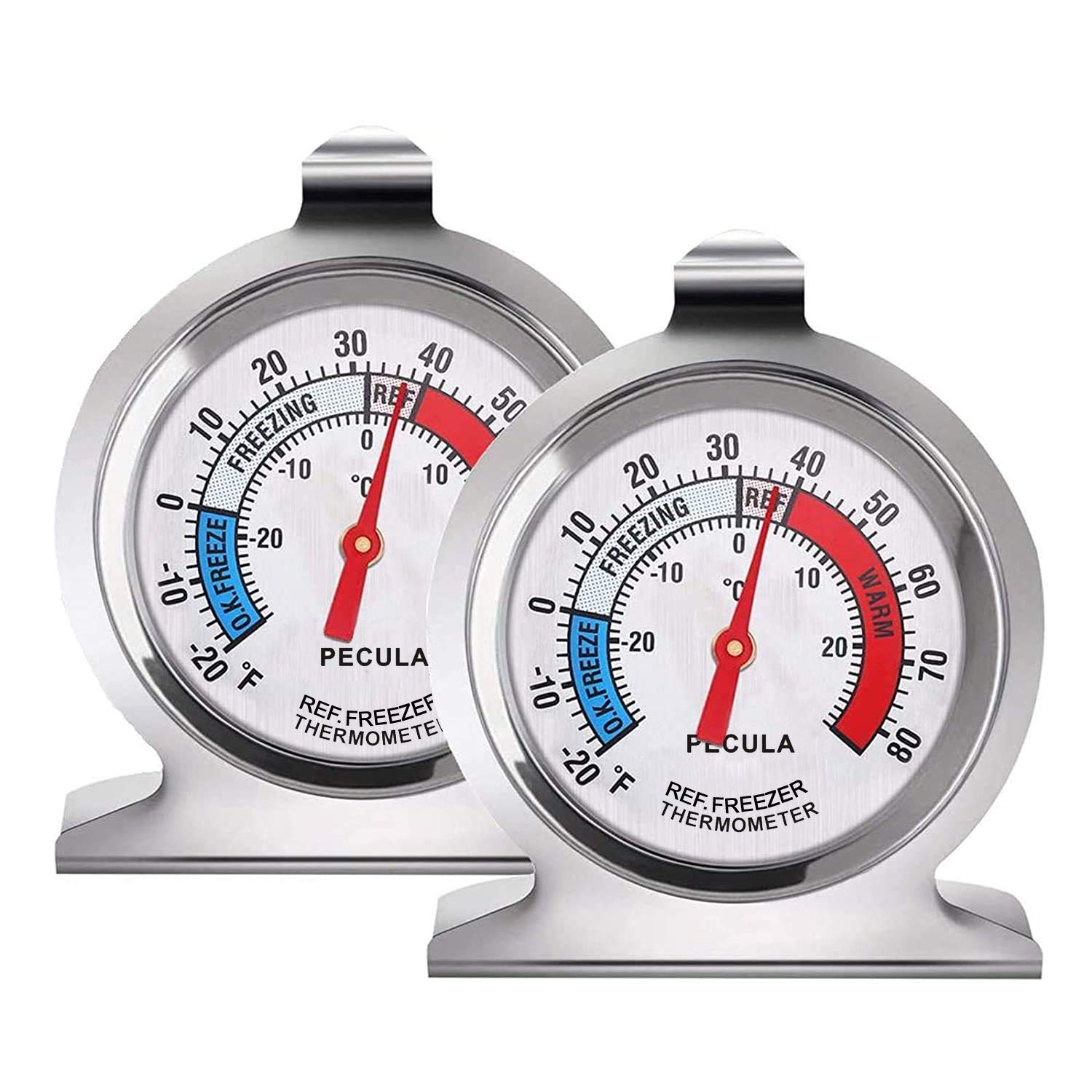
Fridge & Freezer Thermometers
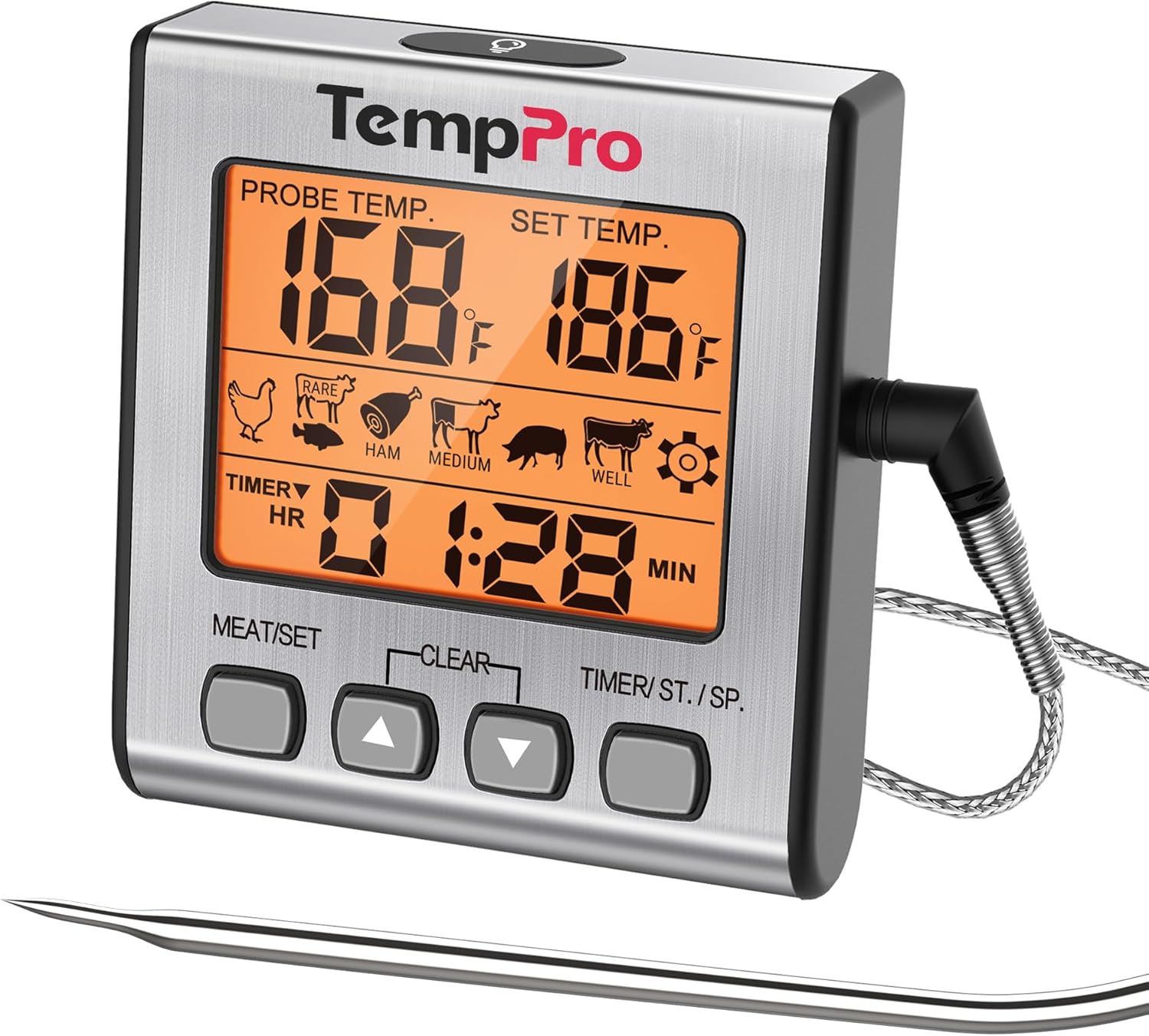
Leave-In Probe Thermometer
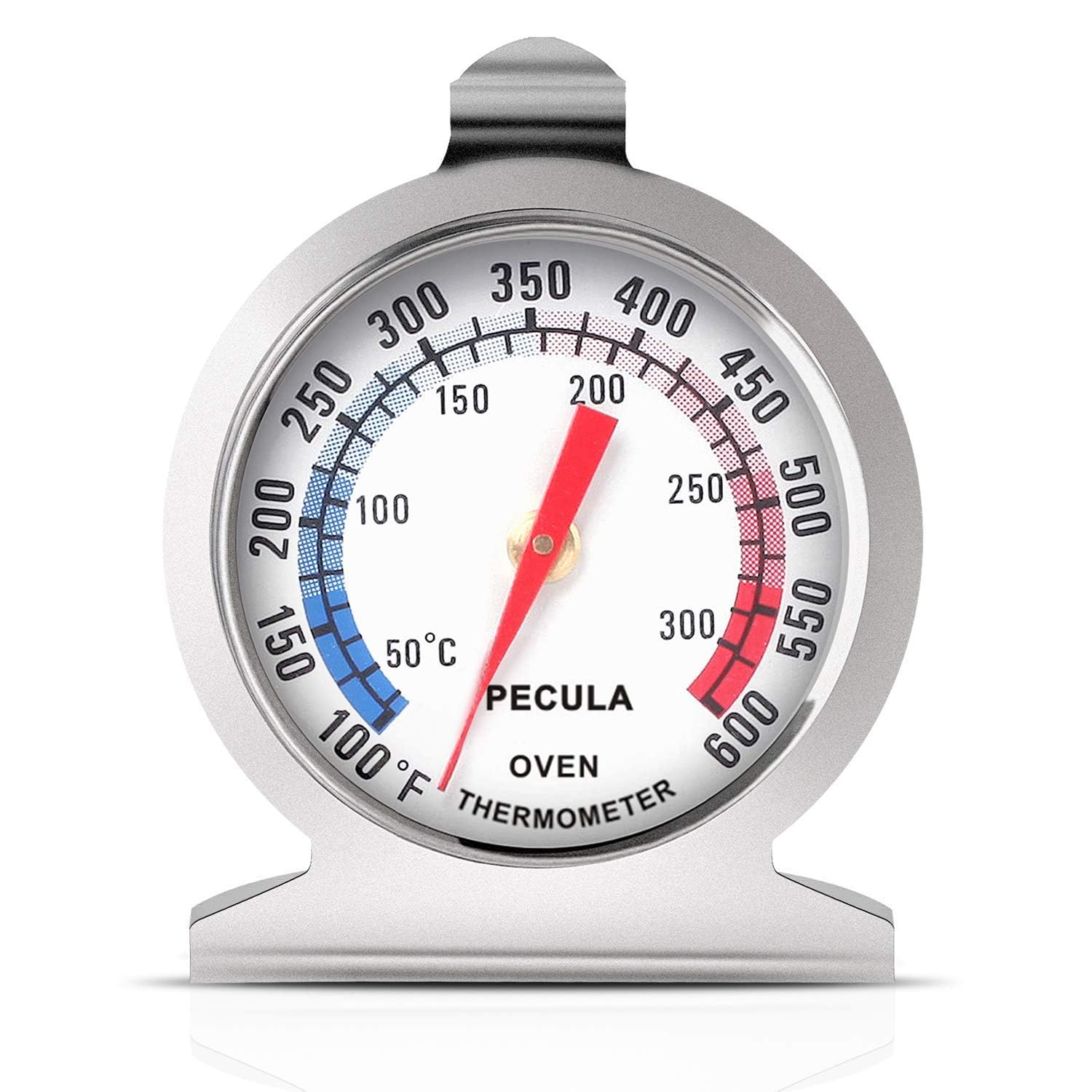
Oven Thermometer
As an Amazon Associate I earn from qualifying purchases.
Safe Chicken Temperature Guide
One of the most searched food safety questions is about the proper chicken temperature and how to know when chicken is fully cooked.
The safe internal temperature of chicken is: 165°F
This is the recommended chicken done temp for:
- Chicken breasts
- Whole chickens
- Drumsticks
- Thighs
- Wings
- Ground chicken
- Turkey
- Stuffing cooked inside poultry
The internal temp of chicken should always be checked in the thickest part of the meat without touching bone.
If you’re wondering what temperature chicken should cook to, the answer is always 165°F for safe eating. This chicken cook to temp guideline helps ensure harmful bacteria are destroyed.
The cooked chicken temp should be verified with a food thermometer instead of relying on color alone. Sometimes chicken can still look slightly pink even when the chicken cooked internal temperature has safely reached 165°F.
Knowing the proper internal temperature of chicken is one of the best ways to prevent undercooked poultry.
Pork Cooking Temperature Guide
The recommended pork cooking temperature for pork chops, pork loin, and pork roasts is: 145°F followed by a 3-minute rest time.
The cooked pork internal temperature for ground pork should be a minimum of: 160°F
Using a meat thermometer helps ensure pork is safely cooked while still staying juicy and flavorful.
Safe Cooking Temperatures for Seafood
Fish and shellfish should reach: 145°F
Fish should appear opaque and flake easily when fully cooked.
Leftovers and Reheating
Leftovers and casseroles should be reheated to: 165°F
to help eliminate harmful bacteria that may have developed during storage.
Don’t Forget to Clean Your Thermometer
One important step people often forget: always wash your thermometer probe after each use.
Every time you insert the probe into raw or partially cooked meat, bacteria can transfer onto the thermometer. If the probe isn’t properly cleaned before using it again, it can cross-contaminate other foods.
Be sure to:
- Wash the probe with hot, soapy water after each insertion into meat
- Follow the manufacturer’s cleaning instructions
- Sanitize the probe if recommended
- Avoid submerging digital thermometer displays unless they are waterproof
Food safety isn’t just about cooking temperatures — preventing cross-contamination matters too.
Frequently Asked Questions
Chicken cooked at what temp?
Chicken should always be cooked to an internal temperature of: 165°F
This applies to chicken breasts, thighs, wings, whole chickens, and ground chicken.
What is the best meat thermometer for steak?
A digital instant-read meat thermometer steak lovers use is usually the best option because it gives fast and accurate readings. It helps ensure steaks reach the proper temperature without overcooking.
What type of meat thermometer turkey cooks should use?
For turkey, many people prefer a leave-in probe meat thermometer turkey setup because it allows you to monitor the temperature throughout the cooking process without constantly opening the oven.
What is the internal temp for a turkey?
The safe internal temp for a turkey is: 165°F
The thickest part of the breast and thigh should both reach this temperature.
What is the proper internal temperature for turkey stuffing?
If stuffing is cooked inside the turkey, the internal temperature for turkey stuffing should also reach: 165°F to ensure it is safe to eat.
Final Thoughts
Learning safe cooking temperatures is one of the easiest ways to make your kitchen safer and your cooking more confident.
A good thermometer can help:
- Prevent undercooking
- Avoid overcooking
- Improve food quality
- Reduce food waste
- Support proper food storage
Whether it’s a digital meat thermometer, an oven thermometer, or a simple fridge thermometer, these inexpensive tools can make a huge difference in everyday food safety.